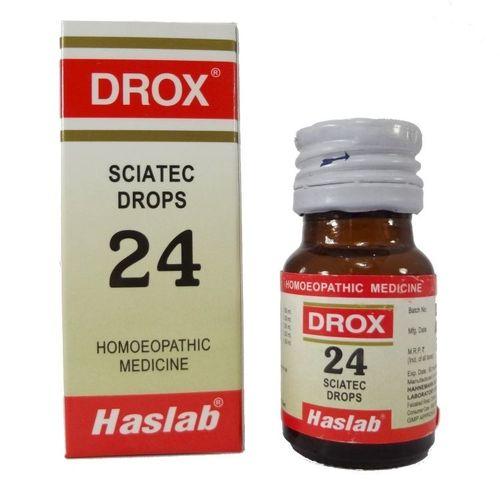
Homeopathic Management of Hydronephrosis: Clinical Evidence & Materia Medica
A comprehensive review of homeopathic literature on hydronephrosis and renal calculi. Analyze the clinical utility of Phosphorus, Lycopodium, and Berberis vulgaris in treating kidney dilatation and obstruction.
Comprehensive Clinical Resource: Homeopathic Management of Hydronephrosis
Experience a curated synthesis of the most relevant clinical data, case studies, and Materia Medica references for the homeopathic management of hydronephrosis. This resource is designed for practitioners and researchers seeking to bridge the gap between conventional pathology and individualized homeopathic care.
Evidence-Based Clinical Literature
Stay at the forefront of homeopathic research with documented evidence showing the clinical application of individualized treatment:
-
Jain et al. (2025): "Individualized Homeopathic Treatment in Hydronephrosis of a Patient: A Case Report," published in Homœopathic Links (Thieme). Follow the 5-year-old girl’s journey where Phosphorus led to documented improvement clinically and via USG, with causality verified by MONARCH criteria.
-
Homeopathy360 (2022): A compelling case of renal calculus with mild hydronephrosis successfully treated with Lycopodium clavatum, resulting in stone expulsion and improved USG findings in just 18 days.
-
Indian Journal of Research in Homoeopathy (IJRH): Access multiple case series where hydronephrosis—often an associated pathology of renal calculi—was addressed using remedies like Tabacum, Belladonna, and Calcarea carbonica.
Authoritative Materia Medica & Repertory Insights
Navigate the complexities of kidney obstruction and dilatation through the lens of the masters. This collection highlights the remedies most frequently cited in modern hydronephrosis literature:
-
Boericke’s Phosphorus: Detailed for nephritis, albuminuria, and kidney degeneration.
-
Lycopodium Clavatum: The go-to for right-sided renal colic and obstructions at the ureterovesical junction.
-
The "Big Four" for Obstruction: Clinical affinity and modalities for Berberis vulgaris, Sarsaparilla, Hydrangea arborescens, and Ocimum canum as cited by Allen, Hering, and Clarke.
-
The Kentian Approach: Learn how to utilize Kent’s Repertory via functional rubrics such as "Kidneys – inflammation – chronic," "Ureter – obstruction," and "Bladder – retention of urine" to navigate cases where direct pathological rubrics are sparse.
Clinical Utility & Pathological Framing
Understand hydronephrosis not just as a label, but as a physiological state.
Clinical Definition: Hydronephrosis involves the dilatation and distension of the renal collecting system due to obstruction distal to the renal pelvis, carrying a risk of progressive renal damage.
Why this resource is essential:
-
Observational Data: Review work from the Int J Homoeopathic Sciences on the clinical utility of the Kent repertory, identifying Nux Vomica, Sulphur, and Natrum Muriaticum as key constitutional remedies.
-
Secondary Relief: Documentation on how high-dilution series address the primary obstruction to secondarily resolve hydronephrosis.
-
Safety & Integrated Care: Guidelines on positioning homeopathy as supportive treatment alongside standard management (stents, nephrostomy, or surgery) to ensure patient safety and decompression when indicated.
Product Information
Product Information
Shipping & Returns
Shipping & Returns

Homeopathic Management of Hydronephrosis: Clinical Evidence & Materia Medica
Homeopathic Management of Hydronephrosis: Clinical Evidence & Materia Medica
A comprehensive review of homeopathic literature on hydronephrosis and renal calculi. Analyze the clinical utility of Phosphorus, Lycopodium, and Berberis vulgaris in treating kidney dilatation and obstruction.
Comprehensive Clinical Resource: Homeopathic Management of Hydronephrosis
Experience a curated synthesis of the most relevant clinical data, case studies, and Materia Medica references for the homeopathic management of hydronephrosis. This resource is designed for practitioners and researchers seeking to bridge the gap between conventional pathology and individualized homeopathic care.
Evidence-Based Clinical Literature
Stay at the forefront of homeopathic research with documented evidence showing the clinical application of individualized treatment:
-
Jain et al. (2025): "Individualized Homeopathic Treatment in Hydronephrosis of a Patient: A Case Report," published in Homœopathic Links (Thieme). Follow the 5-year-old girl’s journey where Phosphorus led to documented improvement clinically and via USG, with causality verified by MONARCH criteria.
-
Homeopathy360 (2022): A compelling case of renal calculus with mild hydronephrosis successfully treated with Lycopodium clavatum, resulting in stone expulsion and improved USG findings in just 18 days.
-
Indian Journal of Research in Homoeopathy (IJRH): Access multiple case series where hydronephrosis—often an associated pathology of renal calculi—was addressed using remedies like Tabacum, Belladonna, and Calcarea carbonica.
Authoritative Materia Medica & Repertory Insights
Navigate the complexities of kidney obstruction and dilatation through the lens of the masters. This collection highlights the remedies most frequently cited in modern hydronephrosis literature:
-
Boericke’s Phosphorus: Detailed for nephritis, albuminuria, and kidney degeneration.
-
Lycopodium Clavatum: The go-to for right-sided renal colic and obstructions at the ureterovesical junction.
-
The "Big Four" for Obstruction: Clinical affinity and modalities for Berberis vulgaris, Sarsaparilla, Hydrangea arborescens, and Ocimum canum as cited by Allen, Hering, and Clarke.
-
The Kentian Approach: Learn how to utilize Kent’s Repertory via functional rubrics such as "Kidneys – inflammation – chronic," "Ureter – obstruction," and "Bladder – retention of urine" to navigate cases where direct pathological rubrics are sparse.
Clinical Utility & Pathological Framing
Understand hydronephrosis not just as a label, but as a physiological state.
Clinical Definition: Hydronephrosis involves the dilatation and distension of the renal collecting system due to obstruction distal to the renal pelvis, carrying a risk of progressive renal damage.
Why this resource is essential:
-
Observational Data: Review work from the Int J Homoeopathic Sciences on the clinical utility of the Kent repertory, identifying Nux Vomica, Sulphur, and Natrum Muriaticum as key constitutional remedies.
-
Secondary Relief: Documentation on how high-dilution series address the primary obstruction to secondarily resolve hydronephrosis.
-
Safety & Integrated Care: Guidelines on positioning homeopathy as supportive treatment alongside standard management (stents, nephrostomy, or surgery) to ensure patient safety and decompression when indicated.
Original: $1.38
-70%$1.38
$0.41Product Information
Product Information
Shipping & Returns
Shipping & Returns
Description
A comprehensive review of homeopathic literature on hydronephrosis and renal calculi. Analyze the clinical utility of Phosphorus, Lycopodium, and Berberis vulgaris in treating kidney dilatation and obstruction.
Comprehensive Clinical Resource: Homeopathic Management of Hydronephrosis
Experience a curated synthesis of the most relevant clinical data, case studies, and Materia Medica references for the homeopathic management of hydronephrosis. This resource is designed for practitioners and researchers seeking to bridge the gap between conventional pathology and individualized homeopathic care.
Evidence-Based Clinical Literature
Stay at the forefront of homeopathic research with documented evidence showing the clinical application of individualized treatment:
-
Jain et al. (2025): "Individualized Homeopathic Treatment in Hydronephrosis of a Patient: A Case Report," published in Homœopathic Links (Thieme). Follow the 5-year-old girl’s journey where Phosphorus led to documented improvement clinically and via USG, with causality verified by MONARCH criteria.
-
Homeopathy360 (2022): A compelling case of renal calculus with mild hydronephrosis successfully treated with Lycopodium clavatum, resulting in stone expulsion and improved USG findings in just 18 days.
-
Indian Journal of Research in Homoeopathy (IJRH): Access multiple case series where hydronephrosis—often an associated pathology of renal calculi—was addressed using remedies like Tabacum, Belladonna, and Calcarea carbonica.
Authoritative Materia Medica & Repertory Insights
Navigate the complexities of kidney obstruction and dilatation through the lens of the masters. This collection highlights the remedies most frequently cited in modern hydronephrosis literature:
-
Boericke’s Phosphorus: Detailed for nephritis, albuminuria, and kidney degeneration.
-
Lycopodium Clavatum: The go-to for right-sided renal colic and obstructions at the ureterovesical junction.
-
The "Big Four" for Obstruction: Clinical affinity and modalities for Berberis vulgaris, Sarsaparilla, Hydrangea arborescens, and Ocimum canum as cited by Allen, Hering, and Clarke.
-
The Kentian Approach: Learn how to utilize Kent’s Repertory via functional rubrics such as "Kidneys – inflammation – chronic," "Ureter – obstruction," and "Bladder – retention of urine" to navigate cases where direct pathological rubrics are sparse.
Clinical Utility & Pathological Framing
Understand hydronephrosis not just as a label, but as a physiological state.
Clinical Definition: Hydronephrosis involves the dilatation and distension of the renal collecting system due to obstruction distal to the renal pelvis, carrying a risk of progressive renal damage.
Why this resource is essential:
-
Observational Data: Review work from the Int J Homoeopathic Sciences on the clinical utility of the Kent repertory, identifying Nux Vomica, Sulphur, and Natrum Muriaticum as key constitutional remedies.
-
Secondary Relief: Documentation on how high-dilution series address the primary obstruction to secondarily resolve hydronephrosis.
-
Safety & Integrated Care: Guidelines on positioning homeopathy as supportive treatment alongside standard management (stents, nephrostomy, or surgery) to ensure patient safety and decompression when indicated.